Sustainability
The Hommes Commitment
Conscious Design, Sustainable Luxury
At Hommes, we believe that high-end furniture design must coexist with planetary preservation. Our daily operations translate environmental respect into concrete design solutions and improved quality of life.


Human Capital & Growth
We invest continuously in ongoing training and development to keep our team highly skilled and aligned with market innovations. This commitment fosters both their personal growth and professional excellence.
Environmental Stewardship
Sustainability is at the core of Hommes. We actively implement measures that deliver tangible benefits, raise ecological awareness, and reinforce our deep respect for the environment and community well-being.
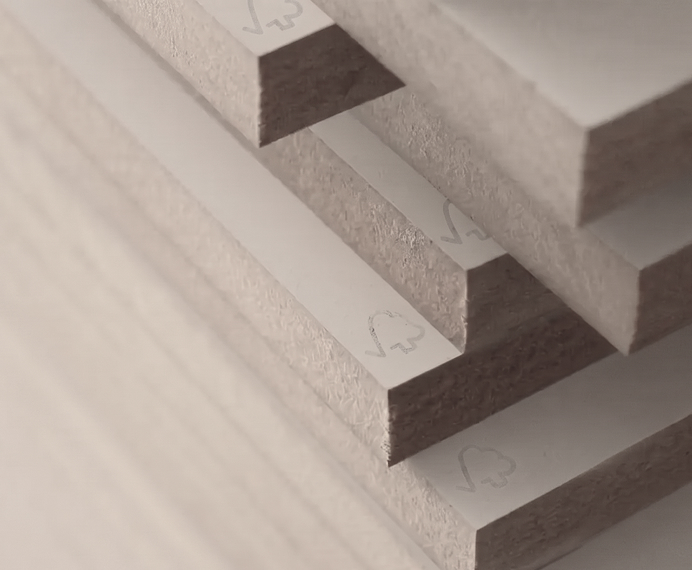
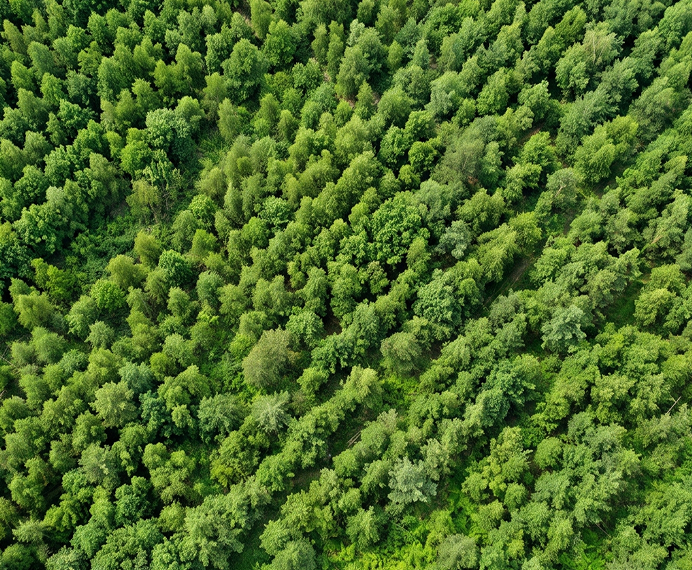
As part of this commitment, our primary raw material, MDF, carries the FSC® certification—the most trusted green seal worldwide. This guarantees that 100% of the wood used in our production originates exclusively from responsibly managed, sustainable forests.


Circular Design
Giving Production Leftovers a Second Life
Upcycled Leather
- Process: Waste reclamation & reconstitution.
- Impact: We reclaim leather processing byproducts destined for industrial landfills and transform them into high-end, durable upholstery and finishes, extending the lifecycle of the material.
Wood Byproducts
- Process: Industrial grinding.
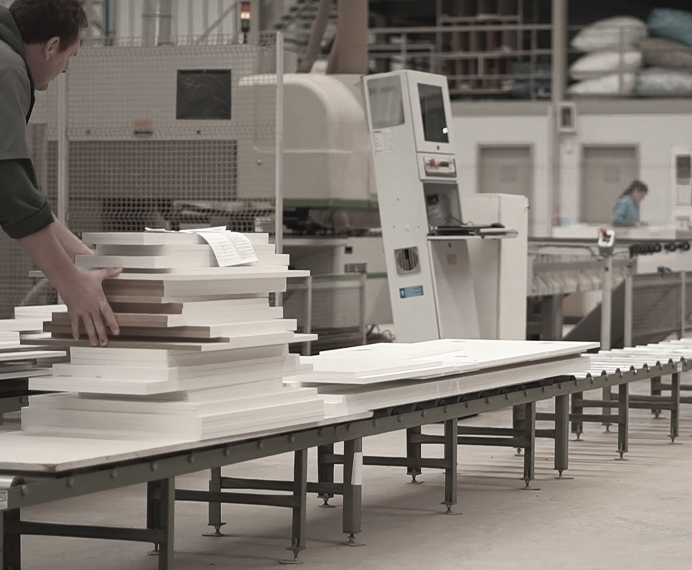
- Impact: Wood dust, shavings, and offcuts are collected, finely ground, and repurposed by local agricultural partners as natural bedding for poultry farms, which requires frequent replacement.
Aluminum
- Process: Smelting and repurposing.
- Impact: Both solid aluminum scrap and fine shavings (powder and filings) are collected and processed, ready to be melted down and cast into brand-new premium components.
Glass
- Process: Infinite recycling loop.
- Impact: All glass scraps are collected for professional reclamation. Because glass can be recycled infinitely without losing its purity or structural quality, it is fully reintegrated into the market.
Hazardous Waste (Class I)
- Process: Co-processing and energy recovery.
- Impact: Contaminated materials, packaging, and paint sludge are safely processed to leverage their high calorific value. This transforms them into an alternative fuel source, effectively replacing fossil fuels in industrial applications.
Non-Hazardous Waste (Class II)
- Process: Industrial recycling.
- Impact: Organic waste, paper, cardboard, and plastics are sorted and dispatched to specialized recycling partners, who process them back into raw manufacturing materials.